

Going vegan is one of the most impactful decisions you can make for the world.
Asides from being an immense benefit DIRECTLY to all of the animals, some will argue that it’s fantastic for your health and the environment.
If you’re wondering how to go vegan without feeling overwhelmed, I’m hoping that this quick post can help with every step of the transition, whether it’s what you want to eat, or how to stick with adherence.
I don’t want this to be TOO long, so it’ll give you some practical tips and some things I’ve learned along the way!
*Please note there will be affiliate products/services linked throughout this article. I may receive a commission as a result of any purchase of goods or services that you make from any links that you follow.
I am deeply grateful for any support shown by any and all purchases as it helps free up my time to create more posts and content for everyone to help their journey into veganism and spread awareness*
What Does It Mean to Go Vegan?
Going vegan, in a nutshell, means avoiding all animal products like meats, dairy, eggs, or honey and further removing exploitative products like leather, wool, and fur from your purchasing practices/life as far as practicable and possible.
Like I alluded to earlier, there are some peripheral benefits to be of short note for individuals to feel good about.
- Health benefits: well-planned, whole food plant-based diets often lead to improved digestion, lower cholesterol, and reduced disease risk overall.
- Environmental impact: ditching animal products for plant-based alternatives leads to a lower carbon footprint and overall resource usage like water and land!
- Animal welfare: by going vegan, you are directly engaging in an individual boycott of an exploitative and oppressive practice for countless sentient beings. It may seem trivial, but overtime the amount of animals that have not been harmed as a result of your actions makes a world of difference.
Step 1: Educate Yourself As You Go Vegan
The first step in learning how to go vegan is understanding your motivation.
Watch documentaries like Earthlings or Dominion to see why people choose to live a vegan lifestyle. People often find a strong sense of urgency to adopt plant-based lifestyles due to “The Game Changers” or “Forks Over Knives” as well!
Loads of instagram pages will provide comedy skits that aim to inform, plenty that have recipes, and loads of bodybuilding/fitness pages that show ideas on how to eat/train for whatever hobby you are involved in!
Additionally, you can read other vegan blogs, and join plant-based communities too!
Facebook has THOUSANDS of vegan groups and often times you can find local groups for your city!
Knowledge will help you stay consistent and inspired.
One of the best things you can generally do in life is be constantly curious.
Don’t think just because you’ve done something for months or years that you can’t learn something new or another thing that you now love!!
Step 2: Replace, Don’t Restrict
Instead of framing it like you “CAN’T” have some of your favorite food or dishes, get creative with them! You can try these simple swaps:
- Milk -> oat, almond, or soy milk
- Meat -> tofu, tempeh, lentils, or seitan
- Butter -> coconut oil or vegan butter
- Cheese -> cashew or almond-based cheeses
Personally, I love soymilk, tofu crumble, earth balance vegan butter and Daiya/chao cheeze!
Additionally, ALDI’s has some incredible plant-based options that are incredibly inexpensive!
You can certainly just do “vegan” pre-made variants of things you already enjoy, but most people often eschew these things on the basis of cost. If you go to the store and notice that it is cheaper or more convenient for you, there’s absolutely nothing wrong with getting veganized substitutes.
Step 3: Know What to Eat on a Vegan Diet
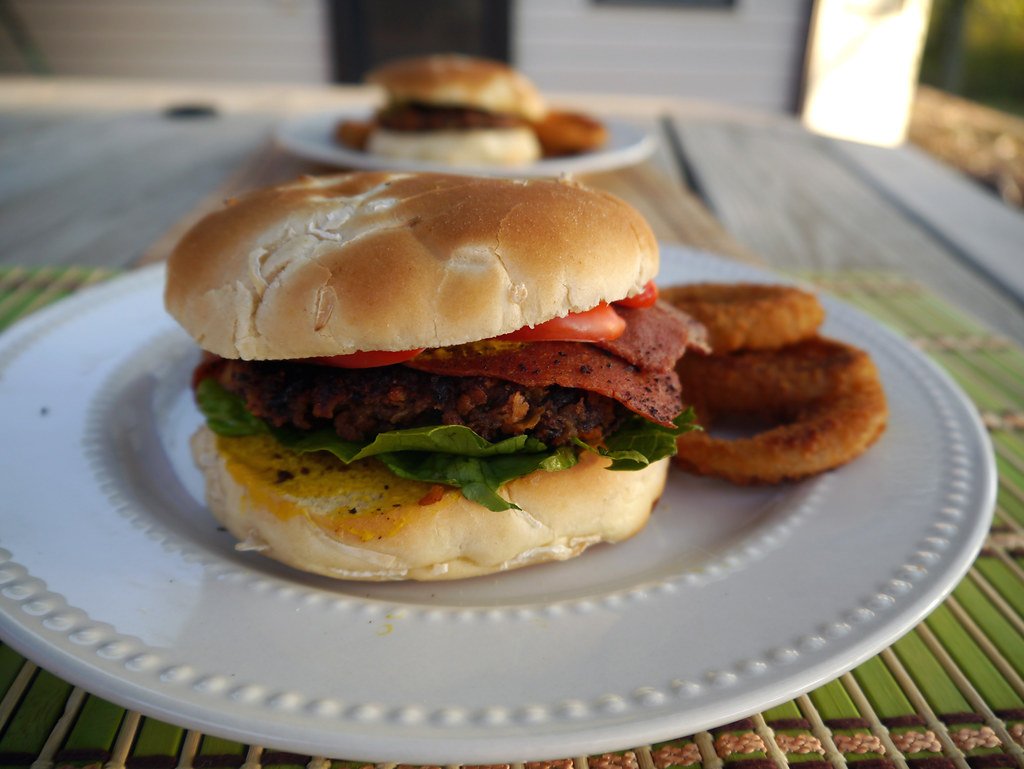
A balanced vegan diet includes:
- Fruits & Vegetables: Vitamins, minerals, and antioxidants
- Legumes: Beans, lentils, peas for protein
- Whole Grains: Quinoa, brown rice, oats
- Nuts & Seeds: Healthy fats and omega-3s
- Plant-Based Proteins: Tofu, tempeh, seitan, TVP, Protein powders.
Pro Tip: Apps like Cronometer (an affiliate I have used since I was 13) or MyFitnessPal will help you with tracking nutrients like B12, Iron, calcium, and more!
Lastly, don’t be afraid of taking supplements! If you don’t have a preference for some of the foods
Step 4: How to Go Vegan on a Budget
Veganism doesn’t have to be expensive, being creative in the kitchen with spices can help elevate a lot of flavor in your dishes too. Stick to staples like beans, rice, and seasonal produce to help also curtail costs if you are more mindful of spending!
One thing you may already be a pro at: Buy in bulk and explore farmers’ markets for deals! You’d be amazed how many vegan friendly items are on sale or reduced in coupons or from apps!
For Example, a quick search online helped me find
Step 5: Plan Your Meals
Planning ahead helps make things easier when you go from old habits to new ones. You can get new systems in place and work to make things as seamless as possible.
I’ll try to make more comprehensive idea’s in the future for easy go to’s but here’s an example of a generic vegan meal plan:
- Breakfast: Overnight oats with almond milk
- Lunch: Chickpea salad wrap
- Dinner: Stir-fried tofu with brown/jasmine rice
- Snack: Hummus and veggie sticks
Batch cook on weekends and prep your meals to stay consistent.
Step 6: Dining Out and Social Situations
Social life as a vegan can be easy with preparation. It can be pretty annoying at times (even after a decade, trust me.) but you can use the HappyCow app, and research ahead of time for places to go.
If it’s a social gathering, like a party, offer to bring a vegan dish to events. People will likely comment on the vegan stuff, but many people just do it in a teasing/lovingly way, roll with the punches and don’t be afraid to chime back and banter too!
Step 7: Stay Healthy with Smart Supplementation
A vegan diet can meet all your nutritional needs, but there is still a lot of contention and questions about it’s “healthfulness” by many. When initially starting out, i’d say it’s incredibly important to get into a good rhythm of what you eat and then monitor these key nutrients:
- Vitamin B12: Take a supplement or eat fortified foods
- Iron: Pair with vitamin C for better absorption
- Calcium: Found in leafy greens and fortified milks
- Omega-3s: Flaxseeds, chia seeds, or algae oil
If you have any intakes that are seemingly low or a bit too high, you can supplement!
If you’re curious about supplements, you can visit my other blog, HowEverySupplementWorks.com to get more insight and request information for specific ones for it on here as well!
Step 8: Build Your Vegan Community
Join online vegan communities on reddit, Instagram, and even Facebook. (Facebook is typically best for groups.) If you live in a LARGE city, or one that’s more forward thinking, you can likely even find local meetups to stay motivated. Support networks make transitioning easier and more enjoyable as you can probably find people who are facing the same initial hurdles you are, or can help with useful tips!!
Frequently Asked Questions About Going Vegan
Is going vegan healthy?
Yes! A well-planned plant-based/vegan friendly diet supports a myriad of benefits like better heart health, lower inflammation, more energy, and promotes longevity.
Can I get enough protein on a vegan diet?
Absolutely!! Like I mentioned earlier, outside of protein powders or specifically formulated protein rich products, Plant-based proteins like tofu, lentils, tempeh, and quinoa are good ways!
Is going vegan expensive?
No, This is a VERY common misconception.
It is only as expensive as you want to make it. Whole foods like beans, rice, and vegetables are affordable staples worldwide and are significantly cheaper than things like meat products!
Can I go vegan overnight?
Yes!
There may be a bit of turbulent start with changing your entire routine, but that’s exactly how I did it over a decade ago! There are loads of supplements, delicious vegan alternatives, and countless places to learn about veganism to help with any hiccups available! (like this blog!)
What should a beginner vegan eat?
If you are entirely new and not very kitchen savvy, it may be helpful to start out trying some vegan replacements of products you already like, such as meats, cheeses, or dairy products while slowly exploring new dishes and incorporating new food items into your diet.
Is a vegan diet healthy?
Yes!
An adequately planned vegan diet can be healthy for all stages of life. you can also use apps to track your macro and micro nutrients alongside of vitamins and minerals to ensure you are maintaining a diverse and healthful diet incase you are uncertain as well!
Do vegans need supplements?
Technically, No.
Realistically, even though you CAN get all nutrients from diversified food choices and including fortified foods, I’d say it’s a good idea to at least take a vitamin b12 supplement. Additionally, most people would likely benefit from something like an algae oil supplement for Omega’s too. Those two are some of the common recommendations you’ll hear about online to cover any potential nutrients one may miss without thinking specifically on some of the nutrients mentioned above!
How much protein do vegans need?
Vegans and non-vegans alike all have specific protein goals that are dependent on their goals and lifestyles! Someone who works a desk job and isn’t active will require significantly less than anyone who is frequently active or trying to maintain an athletic lifestyle! Getting all of your essential amino acids from a variety of things like tofu, Quiona, seitan, lentils and other vegan sources is a great way to stay strong! Personally, I’m lazy with calculating exactly how much protein I “need” so i just go for roughly a 1g of protein per pound of my bodyweight and adjust every two weeks, but that’s actually a fairly large overshoot! You can easily do with 0.7g or somewhere in between!
What are the best vegan foods for beginners?
Anything that you enjoy, keeps you full, and can be easily incorporated into your eating habits safely and responsibly! I’m not the food-police. I think if someone REALLY loves chocolate or things like grilling burgers, they shouldn’t feel bad for incorporating vegan friendly versions of them in their life! The “typical” advise is to consume these things in moderation, but every now and again, life gets hard and people need their comfort foods. Nothing wrong with that! Veganism has no hard set nutritional rules on needing to be “the healthiest” just that you don’t harm animals as you do it.
Final Thoughts: How to Go Vegan Successfully
Going vegan is unique for everybody. I personally just dropped everything animal product related all at once. It was incredibly difficult for me, but also possible because I already bought my own food as a teenager with a McJob. There isn’t any concrete “How To Go Vegan” answer other than “As far as practicable and possible.” I’d also make sure that onto of remembering the dietary aspect, you don’t use or condone animal exploitation.
Start where you are, make gradual changes, and celebrate progress. Each vegan choice you make directly supports a fantastic lifestyle that could bolster your health, save animals, and the planet!
Related Articles:
Vegan Grocery List for Beginners (Coming 7/28/2026)
Top 10 Easy High Protein Vegan Dinner Idea’s (Coming 7/17/2026)
Vegan Nutrition Guide (Coming 7/20/2026)
(All tentative dates)